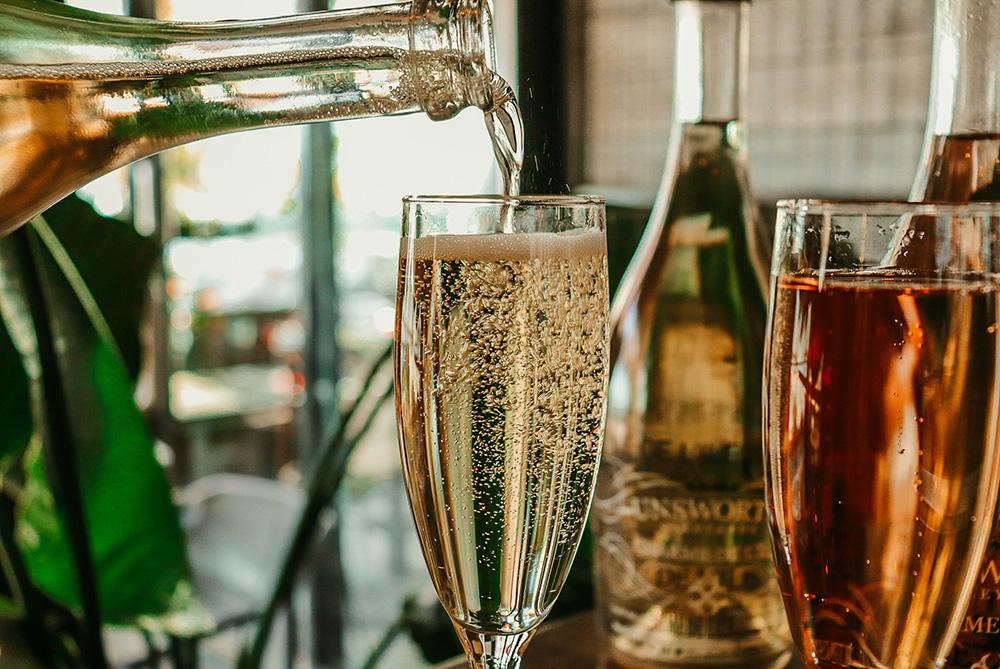
A cork gives way, the pour catches the candlelight, and the whole table leans in a little closer. That small spark is part of what makes sparkling wine feel made for celebration, even on an ordinary Tuesday.
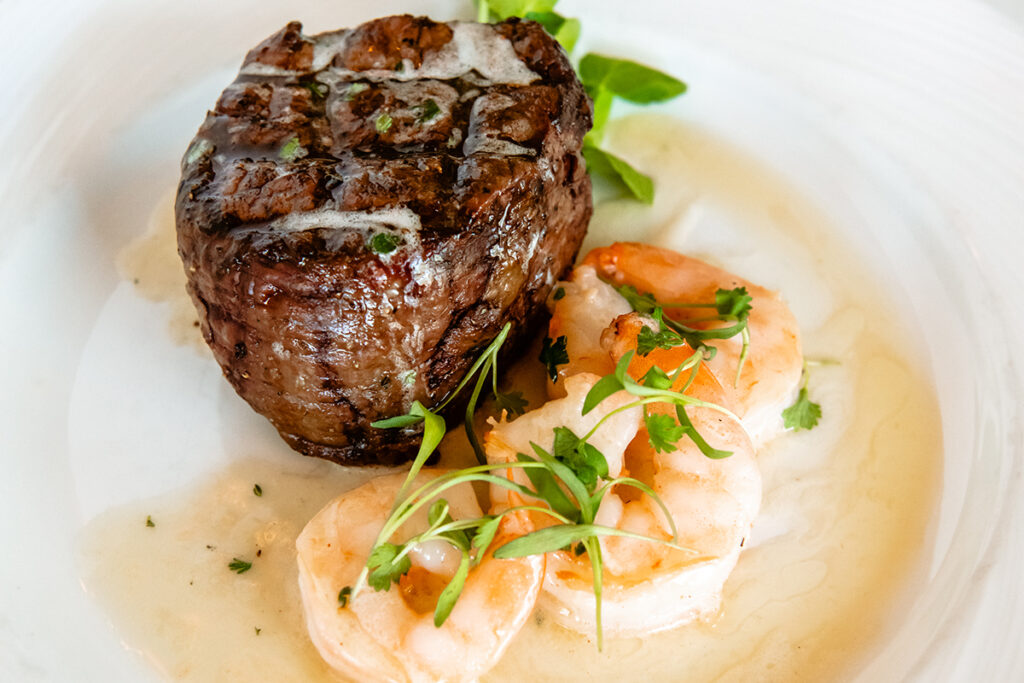
At Eddie Merlot’s, sparkling wine belongs at the table for more than just toasts. Whether you’re settling into fresh seafood or a USDA Prime steak, the right glass of bubbly rounds out the evening.
What Makes a Wine “Sparkling”?
Sparkling wine gets its lively fizz from carbon dioxide, created during a second fermentation. Every Champagne is a sparkling wine, but the category stretches well beyond France’s famous region.
Knowing how a wine is made, and what drives that fizz and sweetness, makes it easier to order with confidence anywhere on the list.
How Sparkling Wine Gets Its Bubbles
Winemakers rely on three main techniques to build those bubbles, and each one shapes the finished wine differently. Some bottles are finished with a traditional cork, others with a simple stopper, but the fermentation inside tells the real story.
Here are the three main techniques behind those bubbles:
- Traditional Method – the second fermentation happens inside each bottle, building fine, persistent bubbles and toasty, bready depth
- Tank Method – fermentation takes place in large steel tanks, keeping the wine fresh and fruity, and easy to approach
- Ancestral Method – the oldest technique, letting fermentation finish naturally in the bottle for a wine with a little more edge
In the traditional method, tiny yeast particles rest in the bottle before disgorgement, adding to that toasty depth.1 It’s one of the more technical sides of winemaking, but easy to keep straight once you’ve tasted the difference.
Sweetness Levels Explained
Wine labels can be deceiving. Extra Dry, despite the name, actually carries more sugar than Brut.
The scale runs from driest to sweetest. Here’s what they mean:
- Brut Nature – bone-dry
- Extra Brut – very dry, almost austere
- Brut – dry, and the most common style poured
- Extra Dry – slightly sweeter, despite the name
- Sec – noticeably sweet
- Demi-Sec – sweet
- Doux – the sweetest of the group
If your palate leans crisp and ultra-dry, reach for Brut. If a touch of sweetness sounds better tonight, Extra Dry or Demi-Sec will do the job.
The Most Popular Types of Sparkling Wine
Sparkling wine is made worldwide, but each wine region puts its own spin on it, shaped by grape varieties, climate, and tradition.
Champagne
Only wine grown and bottled in France’s Champagne region can carry that name. Winemakers blend Chardonnay, Pinot Noir, and Pinot Meunier using the traditional method, often aging the wine on its lees for added depth and a faint nutty edge.
Champagne is one of the most popular styles of sparkling wine in the world, and the aroma alone explains why: brioche, citrus, white peach, and toasted almond all show up in the glass. It pairs beautifully with oysters, caviar, and shellfish in a buttery sauce, and it’s the natural choice for a toast.
Depending on how the night calls for something easy or something more special, Eddie Merlot’s offers Moët & Chandon, Brut “Impérial” alongside Dom Pérignon, Brut for guests who want to go all in.
For the still wines that share these same grapes, our common white wines guide has more detail.
Prosecco
Italy’s Veneto and Friuli-Venezia Giulia wine regions produce this fruit-forward wine from Glera grapes. The tank method keeps things fresh, light, and fizzy, without the toasty depth Champagne carries.
Pear, green apple, honeydew, and a zesty touch of honeysuckle shape the fruit notes in every glass. It’s an easy, festive match for brunch, aperitivo hour, or a lively pour at the bar.
Eddie Merlot’s French 75 blends gin, St-Germain, and Prosecco into a bright, celebratory cocktail that’s become a guest favorite in the lounge.
We also pour Mionetto, Prosecco, Brut, “Avantgarde Collection” for guests who want that fresh, fruit-forward pour by the glass.
Cava
Spain’s Catalunya region makes Cava using the same traditional method, like Champagne, though local grapes like Parellada, Macabeo, and Xarel-lo give it its own personality. Some producers farm biodynamically, using natural, chemical-free methods that let the terroir show through even more.
Citrus, lemon zest, pear, almond, and a light nutty, toasty note round out the glass. Those flavors complement tapas, spicy dishes, fried appetizers, and creamy cheese sauces, and Cava often brings a festive, Champagne-level quality at a friendlier price.
Crémant
French winemaking outside Champagne uses the Crémant label, using the same traditional method across regions like the Loire, Alsace, and Burgundy, each working with its own grape varieties. Loire leans into Chenin Blanc and sometimes Sauvignon Blanc, with honey and chamomile notes, while Alsace favors Pinot Blanc or Riesling, bringing notes of green apple and floral lift.
It’s a versatile pour alongside seafood, soft cheese, smoked salmon, or battered fish, and it’s often the better value next to a bottle of Champagne.
Sparkling Rosé
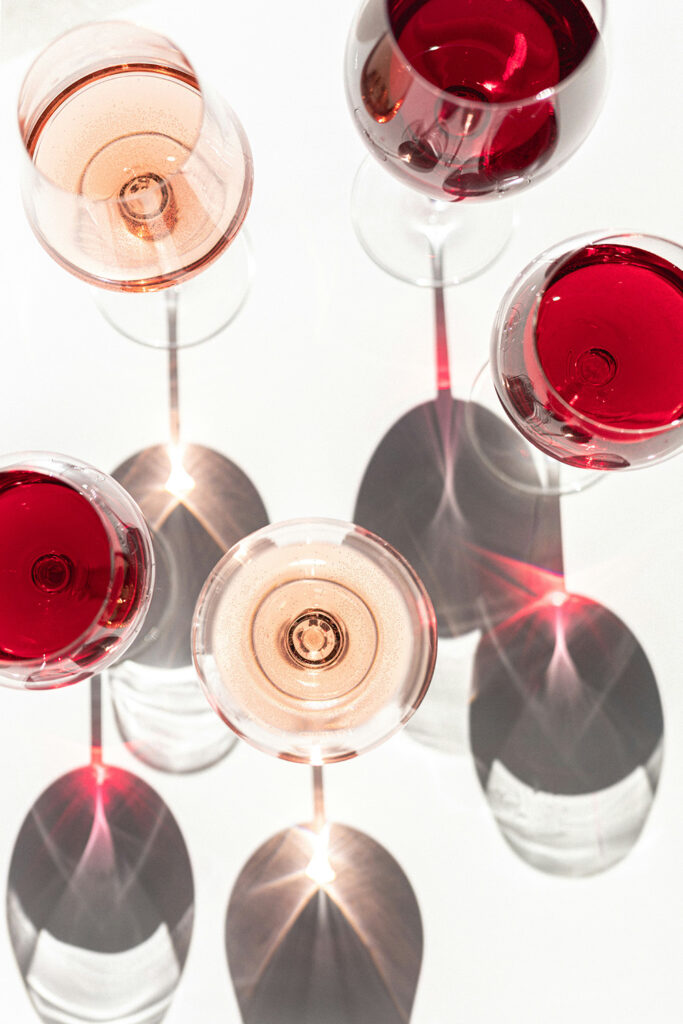
Sparkling rosé gets its color one of two ways: blending red wine into a white sparkling base, or letting the juice sit briefly on red grape skins like Pinot Noir. Either method brings a richer, fuller weight to the glass than a straight white sparkling wine.
Strawberry, raspberry, cherry, rose petal, and citrus carry the flavor. It’s a natural fit for special occasions, warm-weather gatherings, Valentine’s dinners, or a plate of charcuterie or salmon.
Moscato d’Asti
Piedmont’s rolling hills in northern Italy produce this gently effervescent wine from aromatic Muscat grapes. Much of its appeal comes from the wider Piedmont region itself, where grapes ripen, often in warmer regions than neighboring appellations, into something naturally sweet with lower alcohol than most sparkling styles.
Peach, orange blossom, honey, and apricot make it an easy match for fruit desserts, light pastries, or a lazy brunch. Grapes grown in a warmer climate tend to bring out even more of that honeyed character, especially next to something crisper.
Eddie Merlot’s offers Michele Chiarlo, Moscato d’Asti, “Nivole” for guests who want that peachy sweetness by the glass.
Blanc de Blancs & Blanc de Noirs
These French terms describe what’s in the blend, not where the wine comes from. Blanc de Blancs is made entirely from white grapes, usually a blend of Chardonnay, and pours crisp, with real elegance, right alongside raw oysters or a delicate piece of seafood.
Blanc de Noirs comes from red grapes like Pinot Noir or Pinot Meunier, pressed gently so only the clear juice is used.2 The result carries more body and texture than a typical white sparkling wine, which makes it a natural partner for lobster or a butter-basted filet.
For more on how grape choice shapes a wine’s character, our popular wine varieties page breaks it down further.
How to Choose the Right Sparkling Wine
Match Sweetness to the Occasion
Sparkling wines are often chosen based on mood as much as on the menu, so let your preference lead. Three things matter most: what you like, what you’re celebrating, and what’s on the plate.
- Crisp and dry – Brut Champagne, Cava, or Crémant suit formal dinners and refined palates
- Fruity and easy – Prosecco or sparkling rosé work well for casual gatherings and brunch
- Sweet – Moscato d’Asti or Demi-Sec are the better match for dessert
Champagne tends to anchor milestone celebrations, anniversaries, and other special occasions, including a steakhouse Thanksgiving dinner, while Prosecco and Cava bring easy, festive energy to relaxed evenings or a company Christmas party. For private events, our private dining rooms are built for exactly this kind of celebration.
Eddie Merlot’s also offers Gruet, Brut from New Mexico and Domaine Carneros, Brut for guests who want Champagne-style character from a domestic bottle, plus Banfi, Sparkling Red, “Rosa Regale” for something sweeter and altogether different.
Pair Sparkling Wine with Food
Sparkling wine’s acidity balances rich dishes, and its lively bubbles complement and clear the palate between bites, which is exactly why it works so well next to a good steak. For more on what pairs with what across the menu, our wine and steak pairings page goes deeper.
- Champagne or Blanc de Blancs – Oysters Rockefeller, Crab Cakes
- Prosecco – Filet Mignon Potstickers
- Cava or Crémant – Parmesan Truffle Fries, Lobster Mac and Cheese
- Sparkling Rosé – Chilean Sea Bass
- Moscato d’Asti – Bananas Foster Bread Pudding
- Blanc de Noirs – Filet Del Mar
Ask your server which bottle fits your order best. Pairing is part of the experience, not an afterthought.
Toast to Something Special at Eddie Merlot’s
Sparkling wine deserves a place at the table well beyond New Year’s Eve. From a quiet weeknight dinner to a milestone anniversary, the right bottle turns the evening into something worth remembering.
Eddie Merlot’s curates a sparkling wine list built to stand up to USDA Prime steaks and fresh seafood alike, from a lively cuvee like Nicolas Feuillatte, Brut all the way up to Veuve Clicquot, “Yellow Label” for a vintage pour with real presence. Our team is glad to help you find the glass that fits your night.
Find an Eddie Merlot’s location near you, and book a reservation to raise a glass in person.
Sources
- WSET Global. A guide to sparkling wine: production methods and regional styles. https://www.wsetglobal.com/knowledge-centre/blog/2026/a-guide-to-sparkling-wine-production-methods-and-regional-styles
- Decanter. What is ‘blanc de noirs’? https://www.decanter.com/learn/blanc-de-noirs-champagne-vs-blanc-de-blancs-44916/