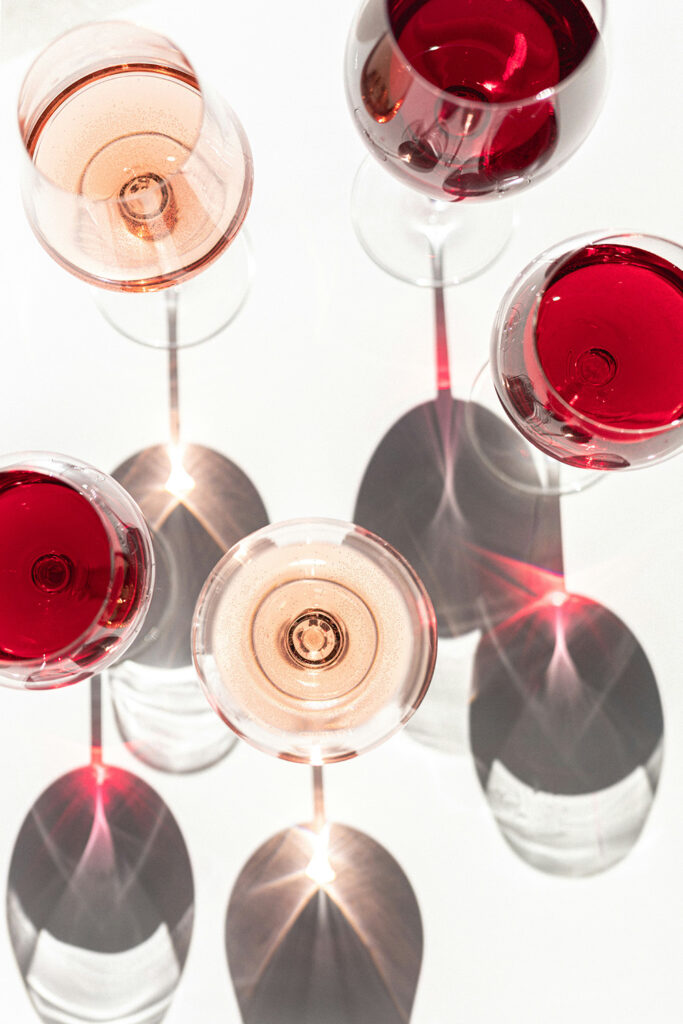
A pale pink pour catches the light differently than a glass of red or white, and it tends to start a conversation before the first sip. Rosé covers far more range than most people expect, from bone-dry and pale to bold, fruit-forward, and even sparkling.
At Eddie Merlot’s, our wine team can walk you through the different styles of rosé in person, so you leave with a glass that actually fits your taste and your meal.
What Is Rosé Wine?
Rosé is a pink-hued wine crafted from red grapes that spend only a short time in contact with their skins. That brief contact gives rosé its blush color while keeping the crisp, refreshing character wine drinkers love.1 The result is a broad category of wine that sits comfortably between red and white, which is part of why it works at almost any table.
Sometimes called pink wine or blush wine, rosé isn’t its own grape variety. Nearly any red wine grape can produce rosé, from Grenache and Syrah to Pinot Noir and Mourvèdre, depending on how long the juice sits with the skins.
For guests who lean toward lighter pours, our white wines guide is worth a look too.
How Rosé Gets Its Color
Winemakers rely on three main methods to shape rosé’s color, and each one changes the finished wine. Making rosé wine comes down to timing more than grape choice, and wine production methods control exactly how much color and flavor come through:
- Maceration – red grape juice rests with the skins for a few hours before they’re removed
- Saignée method – juice is bled off from red wine tanks early in fermentation
- Direct pressing – juice is extracted with minimal skin contact
Each method used in the production of rosé yields a different color depth and flavor intensity, which is part of why two bottles labeled rosé can taste nothing alike.
Common Misconceptions About Rosé
The common assumption that rosé is made by blending red and white wine together is rarely true, outside of Champagne production. Most rosé gets its color solely from skin contact, not by mixing two finished wines.
Another common belief is that rosé always tastes sweet. In reality, most quality rosé leans dry, and the sweet reputation largely traces back to White Zinfandel’s rise in America.
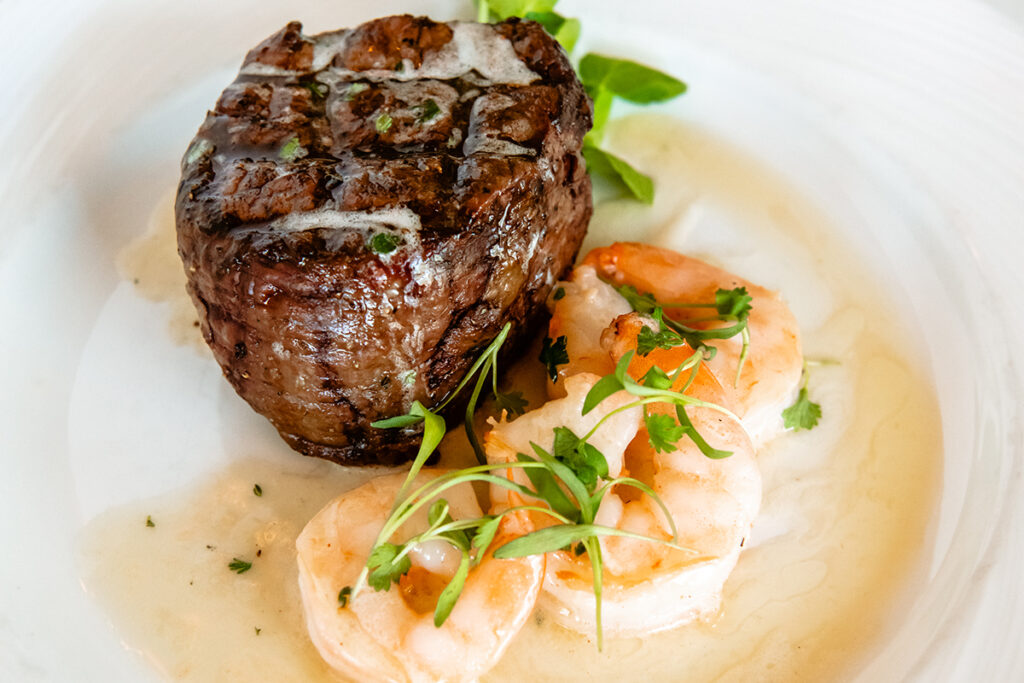
Rosé isn’t only for warm weather, either. It pairs wonderfully with heartier fare, especially when you grill the perfect steak, making it a year-round choice rather than just a summer sipper.
The Most Popular Types of Rosé Wine
Rosé varieties span nearly every red grape, each bringing distinct flavor, body, and character to the glass.
Provence Rosé
Southern France sets the global standard for elegant, dry rosé, and Provence is easily the most popular rosé style to come from the region. Its pale salmon color and bone-dry finish carry delicate notes of strawberry, citrus, and fresh herbs, best served chilled on a warm evening.
This style of rosé pairs beautifully with salads, grilled vegetables, and lighter seafood. It’s easy to lump every pink pour together, but there’s a real difference between rosé and Provence rosé specifically.
Not far from Provence, Tavel rosé from the Rhône Valley takes a bolder approach, built on Grenache and Mourvèdre for fuller color and richer fruit. A Mourvèdre rosé like this holds up to heartier dishes better than a typical Provence pour.
If you want to taste that range side by side, Eddie Merlot’s offers Miraval, “Studio” by the glass and Minuty, “Prestige” from Côtes de Provence.
Pinot Noir Rosé
Known for elegance and bright acidity, Pinot Noir rosé offers cherry, raspberry, and watermelon flavors with a subtle earthy edge. This light-bodied pour complements goat cheese, salmon, and delicate pasta without much effort.
It’s also one of the easier styles to pour into a white wine glass or a red wine glass and still feel right. The color sits right in between, and so does the character.
Grenache Rosé
Grenache produces a bolder, more fruit-forward rosé with a deeper ruby-pink hue. Expect ripe strawberry, orange peel, warm spice, and floral notes, often with delicate notes of violets and rose petals underneath.
It’s a natural match for Mediterranean, Moroccan, or Indian cuisine, where a little sweetness and spice on the plate calls for a wine that can keep up.
Sangiovese Rosé (Rosato)
Italy’s signature rosé style is dry, food-friendly, and often finishes with a pleasant bitter edge. Cherry, fresh herbs, and green melon carry the flavor.
This kind of rosé holds its own against tomato-based sauces and grilled chicken, which is more than most pink wines can say.
White Zinfandel
America’s most recognized rosé style offers approachable sweetness with strawberry and watermelon flavors. Some producers now craft drier versions, but the fruity, easygoing character is still the draw.
It’s an easy match for spicy dishes, mild cheeses, and casual barbecue fare, and it’s often where newer palates first fall for rosé.
If you want something in that same easygoing lane but a little drier, Eddie Merlot’s offers Justin Rosé from Central Coast as a good place to land.
Sparkling Rosé
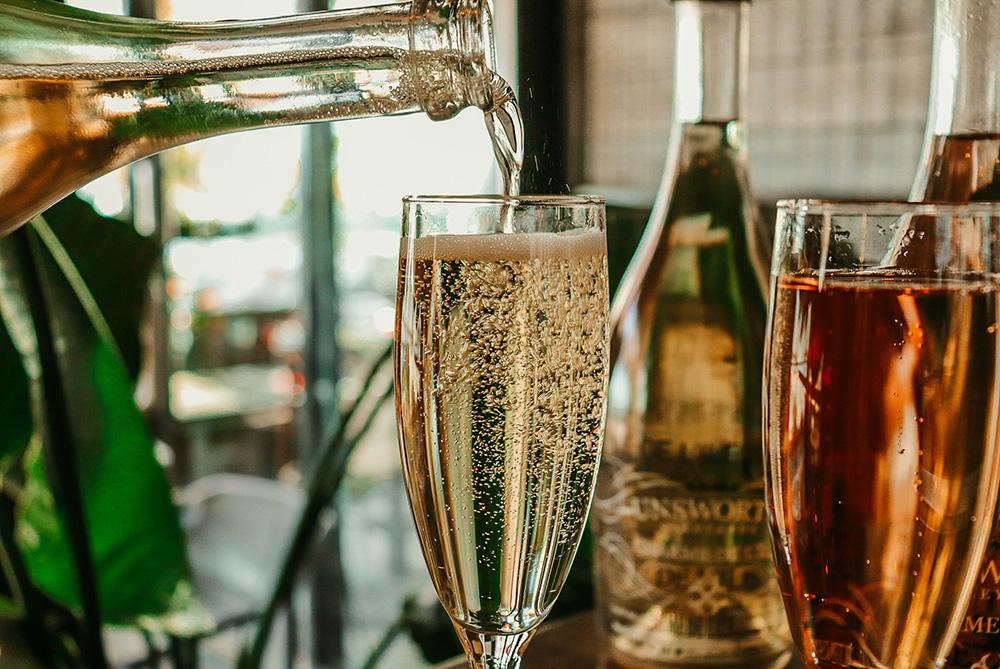
Bubbly rosé ranges from bone-dry rosé Champagne to a sweeter Prosecco rosé or Spanish Cava. Red berry, citrus, and toasty notes make it a natural fit for celebrations, appetizers, and oysters.
Sparkling rosé is the perfect glass for an anniversary dinner, a festive Christmas party, and private dining occasions. Champagne-style rosé often leans on Pinot Noir and Pinot Meunier for its color and structure, the same grapes used in traditional Champagne.
Eddie Merlot’s offers Nicolas Feuillatte, Brut Rosé, a reliable pick when you want that Champagne character without stepping up to a full vintage bottle.
Syrah Rosé
For guests who usually reach for red, Syrah rosé offers a darker color and fuller body with real savory depth. Plum, white pepper, green olive, and a touch of smoke define this bolder style.
It stands up beautifully to charcuterie and pairs exceptionally well with the best cuts of steak prepared with lighter seasonings.
Tempranillo Rosé
This Spanish rosé brings herbaceous, savory notes alongside watermelon and strawberry fruit. Pale pink in color, it pairs exceptionally well with tapas, grilled seafood, and tacos.
How to Choose the Right Rosé
Choosing the right rosé comes down to two things: how sweet you like it, and what’s on the plate.
Dry vs. Sweet Rosé
Rosé spans a wide range of sweetness, and knowing where a bottle falls makes ordering easier. Here’s a rough guide to the spectrum:
- Bone-dry options – Provence and Syrah styles
- Off-dry choices – some Sangiovese and sparkling varieties
- Sweeter styles – White Zinfandel and Pink Moscato, both firmly in the category of sweet rosé wines
Color alone doesn’t tell you how sweet a bottle will taste.2 A pale pink rosé can be bone-dry or noticeably sweet, so reading the label or asking your server is worth the extra minute.
Best Occasions & Food Pairings for Rosé
Matching rosé to the right moment comes down to style and season. A dry rosé wine sets one tone, a sweeter pour sets another, so here’s a quick breakdown:
- Dry rosé – ideal for salads, seafood, appetizers, and lighter proteins
- Bold rosé (Syrah, Grenache) – complements grilled meats, charcuterie, and heartier dishes; for more on this, our red wine pairings page has extra inspiration
- Sparkling rosé – perfect for celebrations, aperitifs, and oyster courses
- Sweet rosé – balances spicy cuisine and fruit desserts during casual gatherings
Whether you’re hosting an intimate Thanksgiving dinner or planning catering for a bigger event, there’s a rosé style suited to the occasion. For guests leaning toward the water side of the menu, our wine and seafood pairings page rounds things out.
Enjoy Rosé Wine at Eddie Merlot’s
From crisp Provence pours to bolder Syrah styles, these rosé wine types offer real diversity for every palate. As resources like Wine Folly point out, nearly any red-skinned grape can create rosé, which is part of why the category covers so much ground.3
At Eddie Merlot’s, our curated wine list features rosé produced across some of the best wine regions in the world, chosen to complement fresh seafood and premium beef alike. Whether you’re drawn to a delicate French rosé or something bolder, our team can point you toward rosé from around the world that fits your table.
The world of rosé wine stretches well beyond the bottle you already know, and pouring rosé wine from around gives you a real sense of just how wide that range is. Comparing wine from around the world, glass by glass, is part of what makes this category so much fun to explore.
Find an Eddie Merlot’s location near you, and book a reservation to let us pour you something extraordinary.
Sources
- Wine Enthusiast. Every Rosé Lover Needs to Know These Basics. https://www.wineenthusiast.com/basics/a-quick-guide-to-rose-wine/
- Good Housekeeping. What the Color of Rosé Really Tells You (and What It Doesn’t). https://www.goodhousekeeping.com/food-products/a71932429/biggest-mistake-youre-making-with-rose/
- Wine Folly. What Is Rosé: Quick Guide to Pink Wine. https://winefolly.com/deep-dive/what-is-rose-wine/