A great glass of red wine has a way of transforming a meal, adding depth, balance, and a sense of occasion. But with so many different types of red wine available, choosing the right pour can feel overwhelming at first. But it doesn’t take long to discover what you enjoy.
This guide to red wine invites you into the experience, helping you explore popular styles, understand how wine can feel from light to bold, and find the perfect match for your table. Whether you’re exploring all types of wine or focusing on reds, you’ll discover how simple it is to find a pour you’ll love.
What Is Red Wine?
Red wine begins with dark-skinned grapes, often referred to as red wine grapes, that ferment with their skins intact. This process gives wine its signature color and structure, along with the layered flavors that define each red wine type.
From light-bodied wines that feel bright and refreshing to full-bodied wines that have rich texture, the wine world offers a wide range of experiences. Some pours highlight red and black fruit, while others lean into earthier, more structured profiles.
It’s this diversity that makes exploring various types of red wine so rewarding.
How Red Wine Is Made
During fermentation, grape skins stay in contact with the juice, which is the key difference from white wine production. This process extracts tannins, rich pigments, and the layered flavors that make each red unique.
Across the wine industry, even small choices, from grape selection to aging methods, can influence the final result. Whether a wine comes from Bordeaux, Italy, or California, each bottle reflects both its origin and the care behind its creation.
Why Red Wines Taste Different
Every wine has its own personality, shaped by grape varieties, climate, and technique.
Here are a few elements that define how a wine can feel:
- Tannins – The dry, slightly grippy sensation from grape skins and oak aging
- Body – How heavy or light the wine feels, from skim milk to cream
- Acidity – The bright, refreshing quality that makes wine pair well with food
- Fruit flavors – Red fruit notes indicate lighter wines, while dark fruit signals bolder styles
Some wines feel smooth and fruit-forward, while others feel bold and structured. The key is discovering what suits your palate, and your meal.
The Most Popular Types of Red Wine
These are the red wine varieties and blends you’ll encounter most often on restaurant menus. They’re organized from approachable favorites to bold classics.
Cabernet Sauvignon
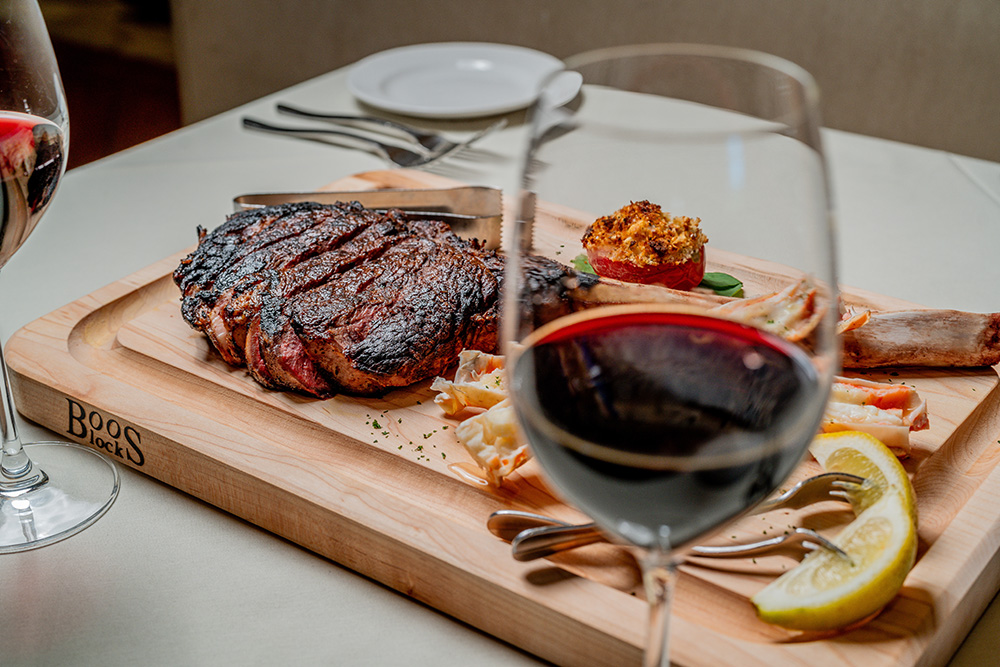
Often called the king of red wine, this full-bodied varietal features firm tannins with blackcurrant, cedar, and spice. It’s the quintessential steakhouse red, pairing naturally with the best cuts of steak.
Pairs well with: Prime ribeye, dry-aged steaks, and rich, savory dishes that match its bold character.
Merlot
Medium-bodied with velvety tannins, Merlot offers plum and black cherry notes with hints of chocolate, making it an easy and versatile choice for many food pairings. It offers a softer introduction for beginners exploring red blends and medium-bodied red wines.
Pairs well with: Filet mignon, roasted chicken, or dishes with a lighter, more delicate richness.
Pinot Noir
Among lighter red styles, Pinot Noir stands out for its elegance and balance. This lighter red highlights red cherry, subtle earthiness, and bright acidity.
Pairs well with: Salmon, duck, or mushroom-based dishes where balance and subtlety matter.
Malbec
Malbec brings bold fruit-forward character with notes of blackberry and cocoa. It’s a wine like this that often appeals to those seeking something rich yet approachable.
Pairs well with: Grilled steaks, lamb, or dishes with a touch of char and bold seasoningm
Syrah (Shiraz)
Known for its bold structure, Syrah brings black pepper, dark plum, and smoky notes to the glass. The same grape goes by Syrah in France and Shiraz in Australia1. Whatever the label, it remains one of the most expressive red wine varieties.
Pairs well with: Hearty cuts of beef, braised dishes, and anything with a rich, savory finish.
Zinfandel
California’s signature Zinfandel delivers a fruit-forward wine experience with jammy berry flavors and spice, creating a vibrant and flavorful glass.
Pairs well with: Barbecue, spicy cuisine, and dishes with sweet and smoky elements.
Sangiovese
Italy’s most important red grape delivers medium body with high acidity and tart cherry flavors. As the backbone of Chianti, it’s ideal alongside classic Italian cuisine.
Pairs well with: Pasta, pizza, and tomato-based sauces that benefit from its freshness.
Tempranillo
Spain’s signature grape produces wines with layered flavors of cherry, leather, and oak, creating a balanced and versatile red with a smooth finish. Tempranillo is a reflection of the diverse wine regions where it’s grown.
Pairs well with: Grilled meats, roasted vegetables, and dishes with earthy or smoky flavors.
How to Choose the Right Red Wine
Choosing a red wine comes down to three key factors: your personal taste, what you’re eating, and the occasion. Whether it’s a casual dinner or a romantic night out, these considerations will guide your choice.
Match Wine to Your Taste Preferences
If you enjoy light-bodied wines, reach for Pinot Noir or similar styles. For those drawn to fuller, richer pours, Cabernet Sauvignon or Syrah offers more intensity.
Consider What You’re Eating
Pairing wine with food follows a simple pattern based on wine body:
- Light reds – Complement fish and poultry
- Medium-bodied wines – Pair with pasta and pork
- Bold reds – Shine alongside both dry-aged and wet-aged steaks
Whether you’re enjoying red and white options across a meal or focusing on one style, balance is key.
Don’t Overthink It
The best wine is always the one you enjoy. Exploring wine varieties should feel natural, a chance to discover new favorites with every glass.
Tips for Ordering Red Wine at a Restaurant
Ordering red wine should feel exciting, not stressful. These three strategies will help you choose with confidence.
Ask for Recommendations
Servers at fine-dining restaurants with private dining rooms are trained to guide you toward wines that complement your meal.
At Eddie Merlot’s, knowledgeable servers guide guests through the wine list with ease, helping you find a wine type that complements your dish.
Visit any Eddie Merlot’s location to explore reds alongside exceptional steaks.
Use Familiar Varietals as a Guide
If you already enjoy a certain wine like Cabernet or Merlot, sharing that preference helps your server suggest something similar, or introduce you to something new.
Start with a Glass Before a Bottle
Ordering a single glass lets you explore a new wine without committing to an entire bottle.
Frequently Asked Questions About Red Wine
What Are the Main Types of Red Wine?
The most popular types are Cabernet Sauvignon, Merlot, Pinot Noir, and Syrah. These are often called the “Big Four.”
Which Red Wine Is the Smoothest?
Merlot is often considered the smoothest, thanks to its soft tannins and approachable texture.
Is Red Wine Dry or Sweet?
Most red wines are dry. However, styles like Port and some Zinfandels can be sweet or off-dry.
What Temperature Should Red Wine Be Served At?
Just as following a steak temperature guide ensures the perfect cook, serving wine at the right temperature maximizes its flavor. The ideal serving temperature varies by wine body:
- Light reds – Slightly chilled around 55-60°F
- Medium reds – Around 60-65°F
- Full-bodied reds – Around 65-68°F
Just as with sparkling wines, temperature helps reveal the wine’s full character.
Discover Your Favorite Red Wine at Eddie Merlot’s
Exploring different types of red wine becomes something special when paired with exceptional food and a welcoming atmosphere.
Whether you gravitate toward silky Pinot Noir or bold Cabernet Sauvignon, exploring different types of wine is one of dining’s greatest pleasures. Eddie Merlot’s curated wine list features every popular varietal in this guide, selected to complement fresh seafood and showcase the superior quality of hand-cut steaks.
Our knowledgeable team helps every wine lover find the perfect glass.
Book a reservation at Eddie Merlot’s and continue your wine journey with a setting designed for connection, conversation, and the simple pleasure of a perfectly chosen glass.
Sources:
- Decanter. Syrah and Shiraz – what is the difference? https://www.decanter.com/learn/syrah-shiraz-difference-51740/